
Are your leaders great firefighters or only arsonists
It is hard to believe, but during my Air Force flying training there was a student pilot who faked flying incidents. He reported multiple emergencies — engine failures, unrecoverable spins, aborted takeoffs — and handled each with remarkable skill. Over a year, he successfully resolved more than half a dozen such incidents. We admired his calmness under pressure and his ability to save the aircraft each time, even if the aircraft sustained costly damage, which it did at least twice. Ultimately, the flying instructors realised that he was confecting each of the problems, just so he could save the day, and he was removed from the course.
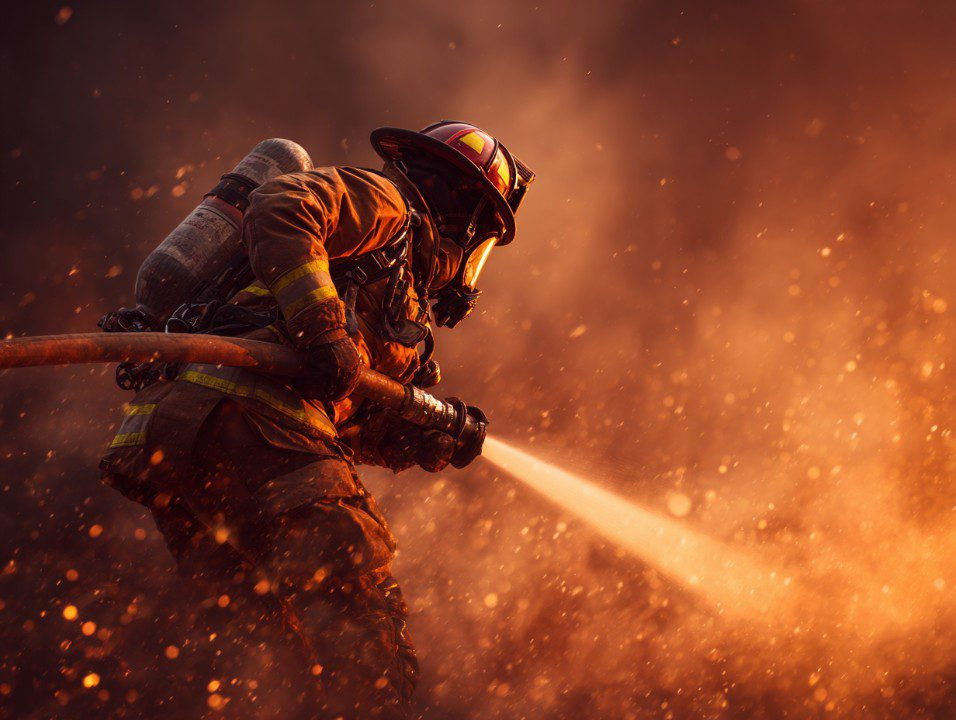
This is an extreme, highly dangerous and totally unethical example of an arsonist - someone who actually starts the fire that they then heroically extinguish, but I've seen similar examples in leadership. When a leader steps in to handle a crisis, they often earn admiration and respect. We call them “firefighters” — those who jump into action when things go wrong, appear unfazed by the chaos, and fix problems others cannot. But what if some of these crises were not as urgent or unavoidable as they seemed? What if some leaders actually create or amplify problems to showcase their ability to solve them?
My true flying story highlights a leadership trap: the temptation to manufacture or exaggerate problems to prove one’s value. It’s a cycle that can be hard to spot because the visible behaviour — stepping in to fix a crisis — looks impressive and earns praise. The invisible behaviour — creating, exaggerating or amplifying the crisis — remains hidden.
Leaders who create or amplify crises do so for several reasons:
To demonstrate indispensability: By making problems appear urgent and complex, they position themselves as the only person who can solve them.
To gain recognition: Crisis management is highly visible and often rewarded, especially in cultures that value quick fixes over long-term solutions.
To avoid accountability: When a leader controls the narrative of the crisis, they can deflect blame and maintain authority.
To maintain control: A constant state of urgency can keep teams focused on immediate problems rather than questioning leadership decisions or strategy.
True leadership involves more than just reacting to emergencies. It requires:
Preventing fires before they start: Effective leaders identify risks early and take steps to avoid problems.
Encouraging transparency: They foster a culture where issues are reported honestly and addressed promptly.
Asking why: Instead of just fixing symptoms, they investigate root causes to prevent recurrence.
Empowering teams: They build capability in others to handle challenges without constant intervention.
Recognising this pattern can be difficult because a crisis response is often celebrated. Look for these signs:
Frequent emergencies: The same types of problems keep appearing without lasting solutions.
Overdependence on one leader: The team relies heavily on a single person to resolve issues - there's your arsonist.
Lack of root cause analysis: Problems are fixed temporarily but not investigated deeply.
Resistance to feedback: The leader discourages questions or challenges to their approach.
Non-solutions: 'Fixes' that weren't actually needed sometimes cause new problems or harm resources.
Teams and organisations that notice these patterns can start to shift culture by encouraging openness, rewarding prevention, and holding leaders accountable for long-term outcomes.



Comments